

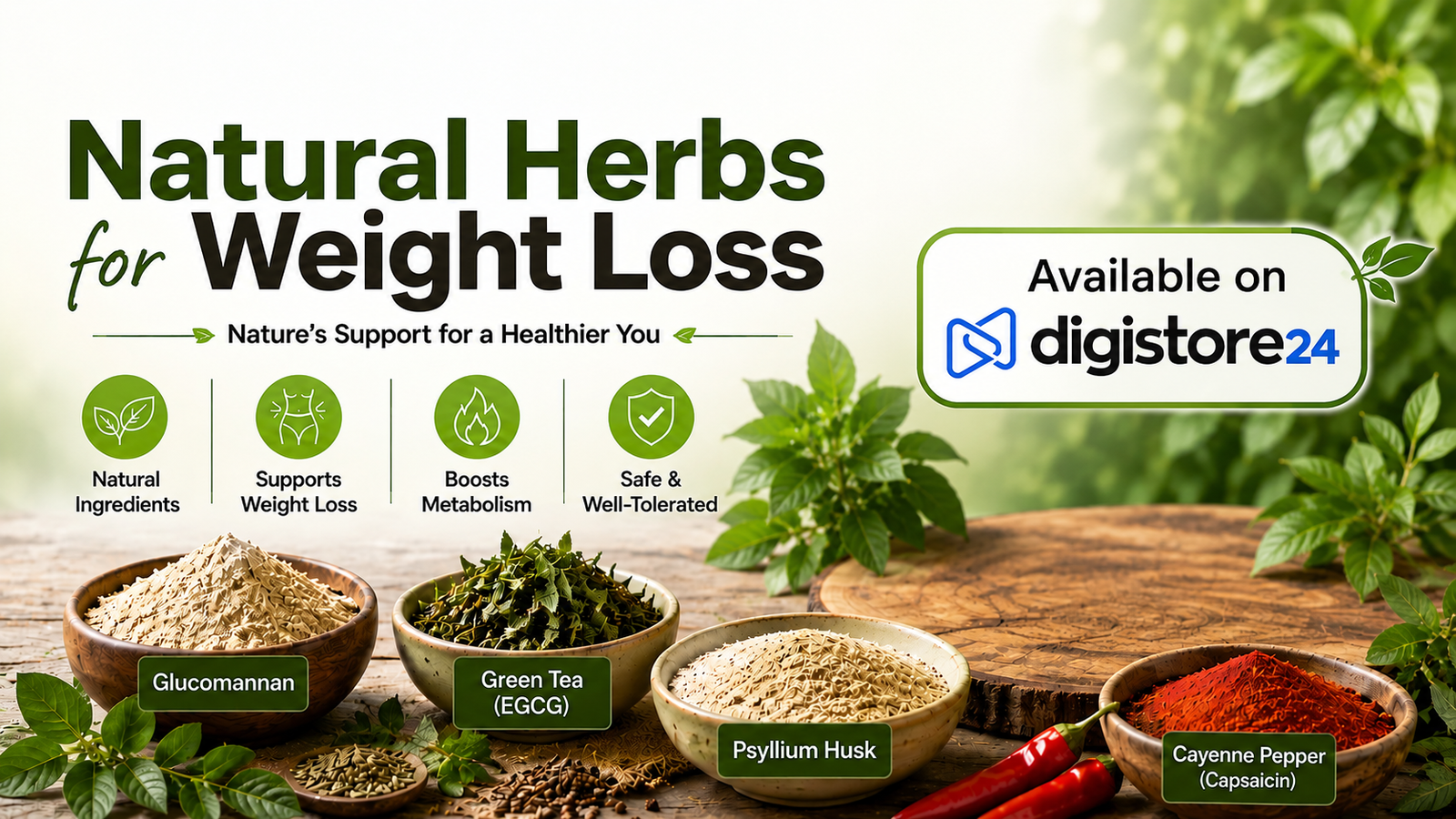
If you've spent any time searching for natural herbs for weight loss, you've probably run into two extremes: articles promising a single spice will melt fat overnight, and articles dismissing herbs entirely as pseudoscience. Neither is accurate.
More than 40% of U.S. adults live with obesity, according to the CDC's current obesity and weight-loss statistics, so it's no surprise people look for options more accessible than prescription medication or a personal trainer: herbs already sitting in a kitchen cabinet or a health-food aisle. The honest answer sits between the hype and the dismissal: a small number of herbs have genuine human-trial support for modest weight and metabolic benefits, while most herbs marketed for weight loss have thin, inconsistent, or purely anecdotal evidence behind them.
This guide grades the evidence herb by herb, using the hierarchy researchers rely on: human clinical trials first, animal and lab studies second, traditional use and anecdote last. You'll see which herbs are probably a waste of money, and how to use the better-supported ones safely, alongside the habits that actually move the needle: diet and exercise. Herbs are a supporting tool here, not a replacement for either one, and not a substitute for medical care if you're managing a chronic condition or taking medication.
Quick answer: A handful of natural herbs for weight loss, including glucomannan, psyllium, green tea (EGCG), and cayenne pepper (capsaicin), have human clinical-trial support for modest weight and metabolic effects. Most other popular weight-loss herbs have weak or anecdotal evidence, and any real effect is small and appears only alongside diet and exercise.
Key takeaways:
- Only a handful of herbs, glucomannan, psyllium, green tea catechins, and capsaicin, have real human-trial support; most popular "fat-burning" herbs don’t.
- Any real effect is modest, roughly in the range of a few pounds over eight to twelve weeks, and only shows up alongside diet and exercise.
- Herb-drug interactions are a genuine safety consideration. Talk to your doctor if you take blood thinners, diabetes medication, or blood-pressure medication.
- A consolidated herbal guide can be a useful organizing tool, but it isn't a substitute for the evidence above or for professional medical advice.
Do Herbs Actually Help You Lose Weight?
So, do herbs for weight loss work? The short answer: a few of them, modestly, and only as part of a broader plan. When researchers study herbal remedies for weight loss, they're rarely looking for a cure. They're looking for a small edge, a bit more appetite suppression here, a slightly faster metabolic rate there, that adds up over weeks when combined with a calorie-appropriate diet and regular activity.
That framing is the opposite of how herbs are usually marketed. Search "natural herbs for weight loss" and you’ll find claims that a tea "melts belly fat" or a spice "boosts metabolism" by some dramatic percentage. Those numbers rarely trace back to an actual clinical trial in humans; when a source exists at all, it’s often an animal study, a small unblinded pilot study, or marketing copy with no citation.
It’s also worth separating two ideas that get conflated constantly: "natural" and "proven safe or effective." Herbs are biologically active compounds, not inert. Some interact with medications, some cause gastrointestinal side effects at higher doses, and none are FDA-evaluated for weight-loss claims the way a prescription drug is. Treating an herb as risk-free simply because it grows in the ground is its own kind of wishful thinking.
How We Graded the Evidence
Every herb below is graded using the hierarchy researchers rely on:
- Human clinical trials (RCTs): the strongest evidence. Randomized, placebo-controlled trials in real people are the closest thing nutrition science has to a reliable answer, though quality, size, and duration still vary.
- Meta-analyses and systematic reviews: pooled results across multiple RCTs, carrying more weight than any single trial because they average out the noise of small sample sizes, while inheriting the limitations of the studies they include.
- Animal and in-vitro studies: useful for understanding a possible mechanism, but they don’t reliably predict what happens in a human body. This tier also covers natural remedies for metabolic health that look promising in lab settings but haven’t yet been confirmed in people.
- Traditional use and anecdote: the weakest tier. Centuries of traditional use don’t tell you whether an herb produces a measurable, repeatable effect on human body weight.
Where an herb has conflicting studies, meaning one meta-analysis found a benefit and another didn't, this article reports both rather than only the flattering one.
Herbs With the Strongest Evidence
These four are the closest thing to a real answer among the best herbs to boost metabolism: each has support from human randomized controlled trials, not just animal studies or tradition. For a broader look at how herbs fit alongside other metabolism-boosting ingredients and habits, see our metabolism guide. None of them work as a stand-alone fix, but the human data here is real.
Glucomannan
Glucomannan is a soluble fiber from the konjac plant. It absorbs water and expands in the stomach, the proposed mechanism behind its use as one of the more legitimate natural appetite suppressant herbs.
The evidence is genuinely mixed. A 2020 clinical research on glucomannan and weight loss, a systematic review and meta-analysis of six RCTs (n=225), found a statistically significant weight reduction of 0.96 kg versus placebo (95% CI −1.81 to −0.11, p=0.02), with larger effects in women and in trials of eight weeks or less. An earlier 2014 meta-analysis of eight RCTs, using a different and smaller pool of studies, found a nonsignificant difference of -0.22 kg. The discrepancy likely comes down to dose, duration, and which trials were included, not one study being "right" and the other "wrong."
Realistically, glucomannan's best-supported effect is modest, on the order of one to two pounds over several weeks, working through fullness and appetite regulation rather than any direct fat-burning mechanism. It's typically taken as a capsule or powder with a full glass of water shortly before meals, since it needs fluid to do what it's designed to do.
Psyllium Fiber
Psyllium, the fiber behind many over-the-counter supplements, works through a similar satiety mechanism rather than direct fat loss, making it another of the natural appetite suppressant herbs, not a direct fat-burner in its own right.
A 2025 dose-response meta-analysis on psyllium and weight-related measures found modest favorable effects on some measures, alongside satiety mechanisms including elevated cholecystokinin (CCK) and GLP-1, the hormones behind the "I’m full" signal, and delayed gastric emptying. At least one earlier meta-analysis found a mixed or increased-weight signal in a subgroup, and the 2025 review authors describe psyllium’s clinical relevance for weight loss specifically, as opposed to satiety or glycemic control, as still requiring further investigation.
The practical takeaway: psyllium's strongest, best-supported claim is appetite and blood sugar management, not guaranteed weight loss. If you already use it for digestive regularity or cholesterol support, a modest weight-management benefit may come along for the ride; it shouldn't be the reason you start taking it.
Green Tea (EGCG/Catechins)
Green tea's catechins, particularly EGCG, are among the most studied compounds on this list, and the data shows how much dose matters.
A randomized, double-blind, placebo-controlled trial testing high-dose EGCG found a significant reduction in body weight (from an average 76.8 kg to 75.7 kg), plus reduced BMI and waist circumference, after 12 weeks, but researchers noted the effect wasn’t prominent unless EGCG intake reached roughly 300 mg per day, well above what a few cups of brewed tea provide. A 2024 GRADE-assessed dose-response meta-analysis of 59 human studies on green tea and metabolism found significant reductions in body mass, BMI, and body-fat percentage with green tea extract. A separate systematic review, however, put green tea’s standalone weight-loss effect at only about 1 kg, below the roughly 2.5 kg threshold generally considered clinically meaningful.
Put together, green tea extract has real, dose-dependent support, but casual tea drinking at typical serving sizes is unlikely to produce a noticeable change on its own. If you want a metabolic effect specifically from green tea, a concentrated extract at a studied dose, not a cup after dinner, is what the research is actually describing.
Cayenne Pepper (Capsaicin)
Capsaicin, the compound that makes chili peppers hot, has a genuine and mechanistically well-understood effect: it modestly boosts thermogenesis, the process by which your body burns calories to produce heat, increasing energy expenditure at rest.
A meta-analysis of human trials found capsaicinoids and related compounds increased resting metabolic rate by roughly 34 kcal per day compared with placebo, alongside increased energy expenditure and fat oxidation. A 28-day RCT using a standardized 2%-capsaicinoid red chili pepper extract (200 mg per day) in adults with obesity found it bioavailable, safe, and associated with reduced body weight, and a separate systematic review and meta-analysis of research on capsaicin and appetite in overweight and obese subjects reached broadly similar conclusions.
The catch is scale: 34 kcal a day is real, but it's roughly the calorie content of a single bite of food, not a metabolic overhaul. Capsaicin's appetite-suppression evidence is actually more consistent than its fat-loss evidence, making it more useful as a tool for eating slightly less than as a direct fat burner. It can also cause genuine gastrointestinal irritation at higher doses, so more isn't automatically better.
Herbs With Promising but Limited Evidence
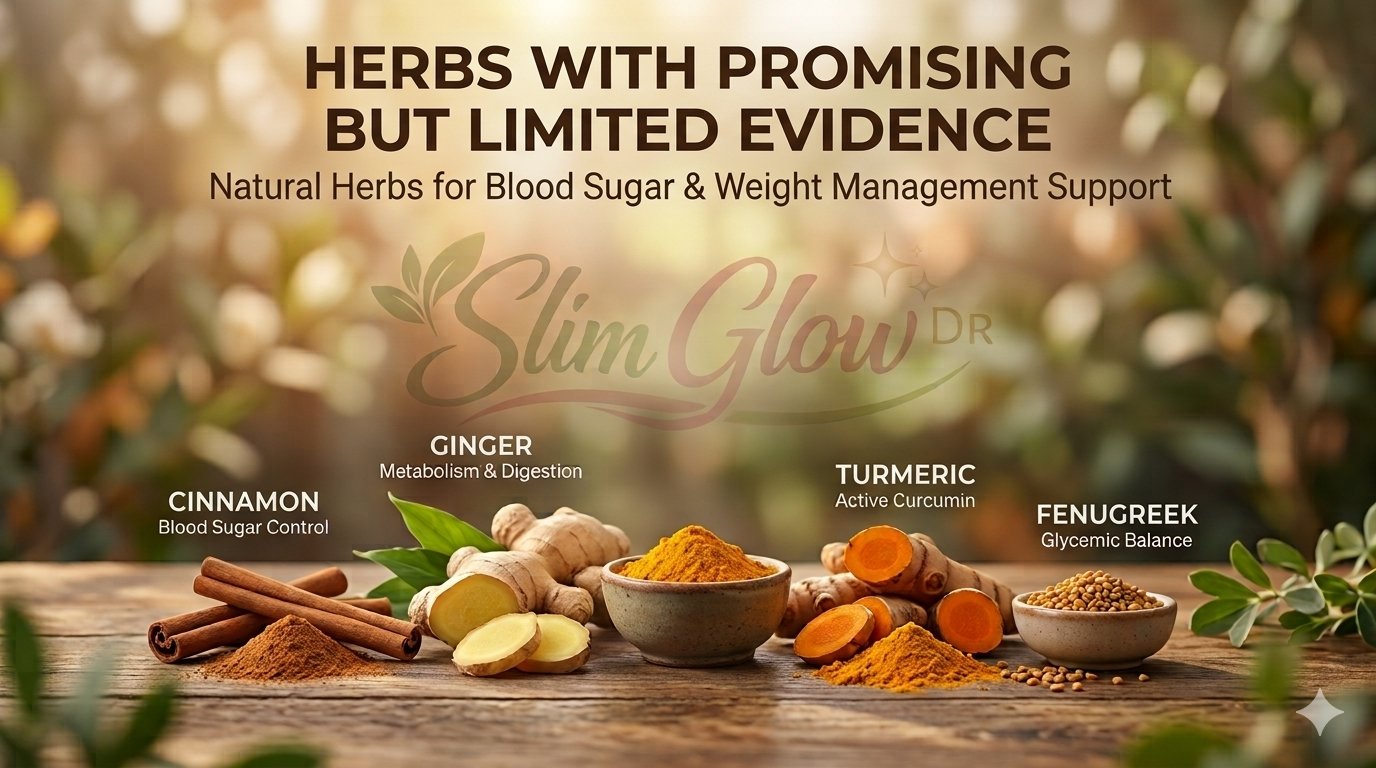
The next tier shows a real signal in at least one well-designed study, but not enough consistency or effect size to call the case closed. Two of these, cinnamon and fenugreek, are worth understanding through a herbs for blood sugar and weight loss lens specifically: their strongest effects are on insulin sensitivity and glucose control, not direct fat loss, and conflating the two overstates what they actually do.
Cinnamon
Cinnamon's best-documented effect is on blood sugar regulation, not weight loss directly. A four-week randomized controlled crossover trial in adults with prediabetes examined cinnamon's effect on continuously monitored glycemic response. An earlier controlled trial found cinnamon reduced glucose and insulin responses to an oral glucose tolerance test over 14 days in healthy volunteers, and a single 6-gram dose added to oatmeal reduced the post-meal insulin response in overweight and obese participants in a separate study.
None of that proves cinnamon causes weight loss; results across cinnamon studies are inconsistent, and direct weight-loss evidence, as opposed to glycemic evidence, is weak. How blood sugar affects weight loss is a broader, separate question, rather than one cinnamon alone answers. Put simply, cinnamon may help smooth out blood sugar spikes after carbohydrate-heavy meals, a reasonable piece of a metabolic-health strategy, but it isn't a fat-loss agent in its own right.
Ginger
Ginger has more consistent supporting data than most herbs in this tier, though the effect size remains modest. A 2024 GRADE-assessed systematic review and dose-response meta-analysis of 27 RCTs found ginger supplementation associated with reductions in body weight (1.52 kg), BMI (0.58 kg/m²), and waist circumference (1.04 cm) versus placebo. A newer RCT in 80 overweight adults using 480 mg per day of steamed ginger extract over 12 weeks found significant reductions in body fat percentage, body weight, BMI, waist and hip circumference, triglycerides, and total cholesterol versus placebo, with no product-related adverse events reported.
Even the meta-analysis authors call for more well-constructed trials before treating ginger as a settled answer. A weight change of roughly three pounds over several months is a supporting factor at best, not a centerpiece strategy. Ginger tea or fresh ginger in cooking is a reasonable, low-risk way to include it.
Turmeric (Curcumin)
Curcumin, turmeric's active compound, has decent supporting data for weight-related markers, but a well-known bioavailability problem limits how much of it your body actually absorbs. A meta-analysis of RCTs found curcumin and turmeric supplementation significantly reduced body weight (0.82 kg), BMI (0.30 kg/m²), and waist circumference. Separately, curcumin has been shown to decrease circulating inflammatory markers and modulate adipokines, hormones like adiponectin and leptin involved in fat storage and appetite, in overweight and obese patients.
Curcumin's real-world limitation is absorption: it's poorly absorbed on its own, which is why standardized supplements typically pair it with something intended to improve uptake. A widely circulated marketing claim exists about exactly how much a specific pairing improves absorption, but no verified figure for that claim turned up in the peer-reviewed literature reviewed for this article, so it isn't repeated here. What's supported is more modest: turmeric may contribute a small effect on weight and inflammation markers, best treated as a minor supporting piece rather than a headline strategy.
Fenugreek
Fenugreek shows a pattern common to several herbs on this list: real effects on metabolic markers, but not on body weight itself. A meta-analysis and systematic review found fenugreek supplementation had no significant effect on body weight, but did produce a small, significant reduction in BMI (-0.73 kg/m²) across five trials. A separate metabolic-syndrome-focused dose-response meta-analysis and a systematic review of trials in people with type 2 diabetes or prediabetes found fenugreek significantly reduced fasting blood glucose, 2-hour plasma glucose, and HbA1c, though it did not significantly improve HOMA-IR, a marker of insulin resistance. No serious adverse events or liver or kidney toxicity were reported, though mild gastrointestinal side effects occurred in some participants.
The key distinction: fenugreek's evidence supports it as a glycemic and lipid-management herb, part of the broader herbs for blood sugar and weight loss conversation, not as an effective standalone weight-loss aid.
Herbs With Weak or Anecdotal Evidence
The herbs below are common in weight-loss marketing, but the human evidence for actual fat loss ranges from thin to nonexistent. That doesn't necessarily mean they're useless for other purposes; some have real effects on stress, energy, or fluid balance. Calling them weight-loss herbs simply oversells what's been shown.
Ginseng
A GRADE-assessed systematic review and meta-analysis of RCTs found ginseng supplementation had no significant effect on BMI, body weight, or waist circumference. Evidence quality ranged from low to moderate, limited by imprecision, publication bias, and short trial durations, most 12 weeks or less. Modest anti-inflammatory signals, reduced IL-6 and increased adiponectin, showed up in the data, but review authors explicitly describe the evidence as insufficient to support obesity-related conclusions. Ginseng also has a specific medication-interaction profile to know about before trying it, covered in the safety section below.
Ashwagandha
Ashwagandha's case is interesting for what it shows about indirect, rather than direct, effects on weight. A 2017 double-blind RCT in 52 chronically stressed adults, using 300 mg twice daily for eight weeks, found significant reductions in perceived stress, food cravings, body weight, and BMI compared with placebo, alongside reduced serum cortisol. That's a real, specific result, but it comes from one small trial in a stressed population, not a general weight-loss population, and the mechanism is indirect: ashwagandha may reduce stress-driven eating and cortisol-related weight gain in people dealing with chronic stress, rather than producing a direct fat-loss or thermogenic effect.
If stress-related eating is genuinely part of your pattern, that's a reason to bring ashwagandha up with a doctor. If your weight challenge isn't stress-driven, there's currently no comparable evidence that ashwagandha will do much for you specifically.
Dandelion Root
Dandelion root shows up constantly in weight-loss and "detox" marketing, and the evidence doesn't support most of what's claimed about it. No RCT was found linking dandelion root specifically to fat loss or clinically meaningful weight reduction in humans. A small, unblinded pilot study of 17 participants, with no placebo group and self-reported measures, found that a dandelion leaf extract, not root, increased urination frequency and the ratio of urine output to fluid intake over a single day. That's a diuretic, water-weight effect, not a fat-loss effect, and it came from the leaf rather than the root typically sold in weight-loss products. Separate animal and lab research suggests dandelion may inhibit lipase, an enzyme involved in fat absorption, but this hasn't been confirmed in human trials.
The practical distinction matters: if a dandelion product produces a pound of water weight lost overnight, that isn't the same as losing fat, and it returns as soon as you rehydrate.
Herbs for Weight Loss at a Glance
| Herb | Evidence Tier | Typical Use | Key Caution |
|---|---|---|---|
| Glucomannan | Strong | Fiber capsule/powder before meals | Take with a full glass of water |
| Psyllium | Strong | Fiber supplement for satiety/digestion | Framed as satiety/blood-sugar support, not guaranteed weight loss |
| Green Tea (EGCG) | Strong | Concentrated extract at studied doses | Effect is dose-dependent; casual tea likely insufficient |
| Cayenne (Capsaicin) | Strong | Capsule or chili-based diet inclusion | Can cause GI irritation at higher doses |
| Cinnamon | Limited | Added to meals for blood-sugar support | Direct weight-loss evidence weak; may interact with diabetes medication |
| Ginger | Limited | Tea, cooking, or standardized extract | Modest effect size; more trials needed |
| Turmeric (Curcumin) | Limited | Standardized supplement or cooking spice | Poor natural absorption limits effect |
| Fenugreek | Limited | Seed powder/supplement for glycemic support | May interact with diabetes medication; not a standalone weight-loss aid |
| Ginseng | Weak | Traditional use for energy | May interact with blood-pressure medication, statins, and blood thinners |
| Ashwagandha | Weak | Stress and cortisol management | Evidence specific to stress-driven eating, not general weight loss |
| Dandelion Root | Weak | Traditional diuretic/tea | Water-weight effect only, not fat loss |
How to Use These Herbs Safely
Even the better-supported herbs above deserve the same caution you'd apply to any active compound, including basic supplement-safety practices before you start anything new.
Dosage and Timing Basics
Dosage matters more for herbs than most people assume, since several of the strongest-evidence herbs above only showed an effect at doses well above casual use. Green tea's meaningful effect generally required roughly 300 mg or more of EGCG per day in the RCT that found it, not a couple of cups of brewed tea. Cayenne's studied dose was around 200 mg per day of a standardized capsaicinoid extract.
Start with the lowest dose on a product label, take fiber-based herbs like glucomannan and psyllium with plenty of water, and give any herb at least several weeks, matching the duration used in the studies above, before deciding whether it's doing anything. Expecting a noticeable effect within days sets you up to either quit too early or reach for a higher, riskier dose out of impatience.
Herb-Drug Interactions to Know
This is the section most weight-loss content skips, and it’s the one with the most real-world consequences. The National Center for Complementary and Integrative Health (NCCIH), part of the NIH, advises that well-designed clinical studies evaluating herbal supplement-drug interactions are limited and sometimes inconclusive: some supplements decrease a drug’s effect, others increase it, including side effects, and patients should tell their healthcare providers about every supplement and herb they use, not only prescription medications. Ginseng specifically has uncertain or mixed interaction data with calcium-channel blockers, other blood-pressure medications, statins, some antidepressants, and the anticoagulant warfarin, according to NCCIH’s guidance on how herbs can interact with medications and its more detailed clinical digest on herb-drug interactions.
Separately, a peer-reviewed review on antidiabetic drugs and herbs documents that several herbs with blood-sugar-lowering activity, a category that includes cinnamon and fenugreek, can compound the effect of prescription diabetes medications, raising the risk of hypoglycemia. NCCIH’s own language here is intentionally hedged ("may interact," "talk to your doctor") rather than definitive in either direction, and this article follows that same caution: interaction data for many herb-drug combinations remains incomplete, not proven safe and not proven dangerous in either direction.
Who Should Avoid Herbal Weight-Loss Remedies
A few groups should treat herbal weight-loss remedies as a conversation with a doctor first, not a solo experiment:
- Anyone on blood thinners, diabetes medication, or blood-pressure medication. Standard clinical guidance recommends checking with a doctor or pharmacist before starting any new herbal supplement in these situations, since interaction data for many combinations is incomplete.
- Pregnant or breastfeeding people. Most of the trials cited in this article excluded pregnant and breastfeeding participants, so there’s essentially no safety data to rely on for this group.
- Anyone with a history of kidney or liver conditions. Herbs are processed by the same organs as medications, and dosing guidance for people with reduced organ function generally isn’t established in the available research.
- Anyone expecting a fast or dramatic result. This isn't a medical contraindication, but if the plan is to skip diet and exercise changes and rely on an herb instead, the evidence above doesn't support that approach working.
Realistic Results: What to Actually Expect
Here's the pattern across almost every herb graded above: individually, studied effects land somewhere between roughly one and three and a half pounds compared with placebo, typically over eight to twelve weeks. Glucomannan's better-supported meta-analysis found about 0.96 kg (roughly 2.1 lb); ginger's 27-RCT meta-analysis found about 1.52 kg (roughly 3.3 lb); turmeric's umbrella review found about 0.82 kg (roughly 1.8 lb); one green tea meta-analysis put its standalone effect at about 1 kg (roughly 2.2 lb).
That range isn't a single official statistic; it's a synthesis across several independent trials on different herbs, and it's consistent with the largest study available on this question. A systematic review and meta-analysis of 54 RCTs (over 4,000 participants) evaluating herbal medicines for weight loss found that while some herbal medicines produced statistically greater weight loss than placebo, that weight loss was consistently under 2.5 kg (about 5.5 lb), below the threshold generally considered clinically significant. A related systematic review of 121 placebo-controlled trials on herbal supplements containing isolated organic compounds reached a similar conclusion: most were safe short-term, but very few produced clinically meaningful weight loss, and there's currently insufficient evidence to recommend any of them for weight loss on their own.
Reality check: Across the best available human research, herbs added a few pounds of difference compared with placebo, over months, and only in studies where participants were also managing their diet. No herb here comes close to replacing calorie management, physical activity, sleep, and the other fundamentals covered in our guide to building sustainable metabolism-boosting habits.
None of this makes herbs pointless. It puts them in the category of a small supporting tool, similar to slightly better sleep or a short daily walk, rather than a centerpiece strategy. If you're expecting an herb to do the work that diet and exercise haven't, the evidence above says that isn't a realistic expectation.
Herbal Teas and Simple At-Home Prep

If you want to try the better-supported herbs above in the least expensive, lowest-risk way possible, herbal teas for weight loss are a reasonable starting point, and they double as one of the simplest home remedies for weight loss support you can make with ingredients from a regular grocery store. Tea won’t get you to the higher, studied doses used in the extract trials above, but it’s a low-stakes way to build a habit and see how your body responds.
Easy Herbal Tea Combinations to Try
Green tea with fresh ginger
- Steep one green tea bag, or one teaspoon of loose green tea, in hot (not boiling) water for two to three minutes.
- Add a few thin slices of fresh ginger root.
- Let sit an additional two minutes, then remove the tea bag and ginger.
- Drink warm, ideally with a meal rather than on an empty stomach if you're sensitive to caffeine.
Cinnamon and ginger warm-up
- Add one cinnamon stick, or half a teaspoon of ground cinnamon, and a few slices of fresh ginger to a cup of hot water.
- Steep for five to eight minutes.
- Strain if using ground cinnamon, and drink after a carbohydrate-containing meal.
Neither combination reaches the concentrated doses used in the clinical trials cited earlier, so think of them as a supportive, genuinely pleasant habit, not a substitute for a standardized supplement if you’re specifically trying to replicate a studied dose.
Conclusion
The clear-eyed version of this topic doesn’t fit neatly into a listicle promising miracle herbs. A short list, glucomannan, psyllium, green tea catechins, and capsaicin, has real human-trial support for modest weight and metabolic benefits. A second tier, cinnamon, ginger, turmeric, and fenugreek, shows a genuine signal, especially for blood sugar management, without being conclusive for weight loss itself. A third tier, ginseng, ashwagandha, and dandelion root, is popular in marketing but thin on human evidence, and in dandelion’s case, the water-weight effect people notice isn’t the fat-loss effect they’re hoping for.
None of that makes herbs pointless. It makes them what the research actually supports: a small, honest supporting piece of a weight-loss plan built primarily on diet, physical activity, sleep, and, when relevant, medical care, not a replacement for any of it. If you're on medication, particularly blood thinners, diabetes medication, or blood-pressure medication, talk to your doctor before adding any new herb, however natural it seems. If you want to experiment safely with the better-supported options, start with one herb, use a reasonable dose, and give it the same eight to twelve weeks the research did before deciding whether it's worth keeping around.
Frequently Asked Questions
Do herbs actually help you lose weight?
A small number do, modestly. Glucomannan, psyllium, green tea catechins, and capsaicin all have human clinical-trial support for small reductions in weight or related measures, typically a few pounds over several weeks, but only alongside diet and exercise, not as a standalone strategy. Most other popular weight-loss herbs have weak or anecdotal evidence.
What is the most powerful herb for weight loss?
No single herb qualifies as "powerful" in the dramatic sense marketing often implies. Glucomannan and green tea extract, at higher, studied doses, have some of the stronger and most consistent evidence, though even their effects are modest, generally around one kilogram or less compared with placebo.
Can herbal tea burn belly fat?
Not on its own. Herbal teas made from green tea, ginger, or cinnamon can support a broader weight-loss plan as a low-cost, low-risk habit, and green tea specifically has some human evidence for a modest metabolic effect at concentrated doses. No tea preparation studied here produces targeted fat loss from any specific body area, including the belly.
Are herbal weight-loss remedies safe?
Most of the herbs covered here have a reasonable safety profile in the studies reviewed, with mild gastrointestinal side effects being the most common issue reported. Herbs aren’t FDA-evaluated for weight-loss claims, though, and several can interact with medications, particularly blood thinners, diabetes medication, and blood-pressure medication. Anyone on those medications, pregnant, breastfeeding, or managing a liver or kidney condition should talk to a doctor before starting any new herb.
What herbs boost metabolism naturally?
To boost metabolism naturally, cayenne pepper’s capsaicin has the most direct evidence, increasing resting metabolic rate by roughly 34 kcal per day in a human-trial meta-analysis, a real but small effect. Green tea catechins have supporting evidence too, mainly at concentrated extract doses rather than casual tea drinking. Neither produces a dramatic metabolic change on its own.
How long does it take for herbs to work for weight loss?
The clinical trials behind the herbs in this article generally ran eight to twelve weeks, and that’s a reasonable timeframe to expect before judging whether an herb is doing anything measurable for you. Expecting a noticeable change within days isn’t consistent with how these effects showed up in the research.
Can herbs be combined with weight-loss medication or supplements?
Sometimes, but not automatically, and this decision belongs to a doctor or pharmacist rather than a general article. Several herbs on this list, particularly ginseng, cinnamon, and fenugreek, have documented or plausible interactions with blood-pressure medication, anticoagulants, and diabetes medication. If you’re already taking any weight-loss medication or supplement, mention every herb you’re considering to whoever manages that prescription.
Is it worth buying an herbal-remedies guide or e-book?
It depends on what you’re looking for. A consolidated guide can save time by organizing herbal information in one place instead of cross-referencing multiple sources, which is genuinely useful for some readers. It isn’t a substitute for the evidence-based approach in this article, and no guide, including the one mentioned above, should be treated as a guaranteed path to a specific weight-loss result.