

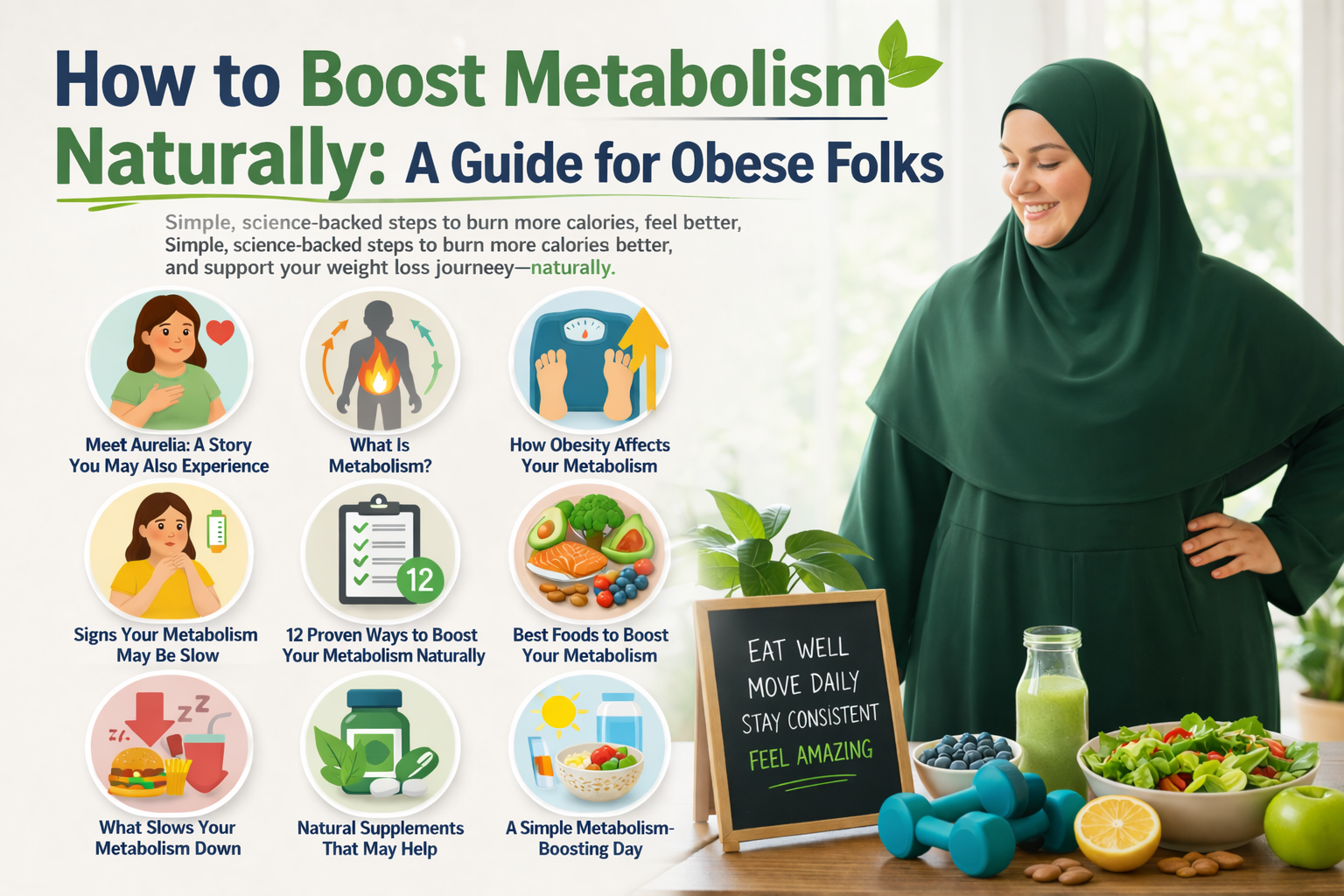
Meet Aurelia: A Story You May Also Experience
Aurelia was 38 years old. She was a mum of two and worked full-time.
She was tired. Not just from her busy days. She was tired of fighting her own body.
Moreover, she had tried every diet she could find. She cut carbs. She did juice cleanses. Also, she bought pills from late-night TV ads. But nothing worked. The weight came back every time.
Then one day, she read a single sentence in a health magazine:
"Your body is not broken. It just needs you to work with it, not against it."
That changed how she thought about everything.
Aurelia's story is very common. Many people feel trapped in a body that fights every effort to change. The good news? Science shows your body can change. Your metabolism is not fixed. It can respond if you give it the right signals.
This guide is for every person who has been told that losing weight is their fault. It is for every Aurelia. You deserve clear, simple, honest help.
What Is Metabolism?
Metabolism is the name for all the work your body does to keep you alive. It turns food into energy. That energy powers your heart, your lungs, your brain, and every move you make.
Your body burns calories every hour, even when you sleep. This is your Resting Metabolic Rate (RMR). It makes up 60 to 70% of all the calories you burn each day.
Your resting rate burns 60–70% of your daily calories more than exercise does. (Metabolites Journal, 2023)
Your total calorie burn comes from three things:
- Resting Metabolic Rate (RMR): It shows the number of calories burned at rest. It is the biggest part.
- Thermic Effect of Food (TEF): It means the energy used to digest food. It is about 10% of your total burn.
- Activity Energy: These are the calories burned by moving, and account for about 20 to 30% of your total burn.
For people with extra weight, the key is muscle mass. Muscle burns more energy than fat, even at rest, which means more muscle leads to a faster metabolism.
How Obesity Affects Your Metabolism
Many people think, 'I am overweight because I have a slow metabolism.' That is not quite right.
People with more weight often burn more calories at rest. A bigger body needs more energy. But the type of tissue matters a lot. Fat burns less energy than muscle.
This means: losing fat while keeping muscle is the goal. Not just losing weight.
The Scale of the Problem
Obesity is one of the biggest health challenges in the world today.
Over 1 billion people worldwide lived with obesity in 2024. By 2035, more than 54% of all adults will be overweight or obese. (World Obesity Atlas 2024)
People with obesity face higher risks of heart disease, diabetes, and stroke. But these risks can often be reduced without drugs or surgery by improving how the body works at a metabolic level.
The Diet Trap: Why Crash Diets Backfire
Here is a big problem many people face: crash diets slow your metabolism down.
When you eat very little, your body goes into survival mode. It burns muscle for fuel. It lowers its calorie burn to save energy. This is called metabolic adaptation.
People who have lost weight from obesity can have a resting metabolic rate 3–5% lower than people who were never obese. This makes weight regain more likely. (American Journal of Clinical Nutrition)
This is why strict diets often fail long-term. The body fights back. The answer is not to eat less and less. The answer is to work with your body, not against it.
Signs Your Metabolism May Be Slow
Before we look at fixes, it helps to know the signs. A slow metabolism can show up in many ways.
Sign | What It May Mean |
| You feel tired all the time | Your body is not burning fuel well |
| You gain weight easily | You burn fewer calories than you take in |
| You feel cold often | Low metabolic heat production |
| Hair loss or dry skin | Low thyroid or hormone issues |
| Hard to lose weight even when dieting | Metabolic adaptation from past diets |
| You crave sugar or carbs often | Blood sugar and energy problems |
| You feel bloated after meals | Slow digestion linked to gut health |
Some of these signs may point to a medical issue like thyroid disease. Always talk to your doctor if you have many of these signs.
12 Proven Ways to Boost Your Metabolism Naturally
These strategies come from real research. They are written for people who carry extra weight and want a gentle, lasting change.
1. Build Lean Muscle
Building muscle is the most effective way to boost your metabolism. Muscle burns more calories than fat, even at rest.
Research shows that for every kilogram of muscle you gain, your resting burn goes up by 24 to 28 calories per day. That adds up fast. Each kilogram of muscle gained raises your resting calorie burn by 24–28 calories per day. (Journal of Clinical Medicine, 2024)
You do not need a gym. Try these:
- Chair squats: stand up and sit down 10 times in a row.
- Wall push-ups: great for people with joint pain.
- Resistance bands: cheap, safe, and very effective.
Do this 2 to 3 times per week. Be steady. Small steps build big change over time.
2. Eat More Protein
Protein is the best food for your metabolism. Your body burns 20 to 30% of protein calories just to digest it. Fat only uses 0 to 3%. That means a high-protein meal burns more energy than a high-fat meal, even if both have the same calories. Protein also helps you build muscle. More muscle means a higher burn. Protein uses 20–30% of its own calories just to be digested, making it the most thermogenic macronutrient. (Harvard Health Publishing, 2024)
Here are some good protein sources for people watching their weight:
- Eggs: cheap, filling, and easy to cook.
- Greek yogurt: high protein, great for gut health too.
- Lentils and beans: plant-based, high fibre, very filling.
- Grilled chicken or fish: lean and low in fat.
- Tofu and tempeh: excellent plant protein options.
You should include protein at every meal. Not just at dinner.
3. Drink Green Tea
Green tea is one of the most studied natural metabolism boosters. It has a compound called EGCG. EGCG helps your body burn fat. Drinking ~3 cups of green tea daily (250mg EGCG) may help burn an extra 100 calories per day. (Obesity Reviews meta-analysis, cited by Harvard Health, 2024)
A 2024 study found that green tea plus exercise works better than exercise alone for people who are overweight. It helped reduce body fat more. Green tea is also a great swap for sugary drinks. Cutting two sodas a day and replacing them with green tea is a big calorie win.
4. Move More: Not Just Exercise
You do not have to go to a gym to boost your metabolism. Every day movement matters a lot.
Sitting for hours slows your calorie burn. Standing and moving even for 2 to 3 minutes every 30 minutes can raise your daily burn by a lot.
These small actions add up:
- Stand while you talk on the phone.
- Walk during TV ad breaks.
- Take stairs when you can.
- Park far from the shop door.
- Do gentle stretches in the morning.
This type of movement is called NEAT (Non-Exercise Activity Thermogenesis). Research shows it can burn hundreds of extra calories per day.
5. Try Interval Walking (A Safe HIIT Option)
HIIT (High-Intensity Interval Training) is great for metabolism. But heavy jumping and sprinting are not safe for everyone. You can get the same benefit from interval walking. Walk fast for 1 minute. Then walk slowly for 2 minutes. Repeat for 20 to 30 minutes.
This raises your heart rate. It creates an afterburn effect, and your body keeps burning extra calories for hours after you stop.
Water aerobics is another great option. The water supports your joints while you work hard.
6. Sleep 7 to 9 Hours Every Night
Sleep is not a luxury. It is a metabolic tool.
When you sleep, your body resets hunger hormones. It repairs muscle. It burns fat. Bad sleep breaks all of this.
Two hormones are key. Leptin tells you that you are full. Ghrelin tells you that you are hungry. Bad sleep lowers leptin and raises ghrelin. You wake up hungrier. You crave sugar and fat. This is biology, not weakness. Even one night of poor sleep can raise hunger hormones and lower your fat-burning ability the next day. (Multiple clinical studies, Healthline Review)
People with obesity are at high risk of sleep apnea. This is when breathing stops during sleep. It disrupts metabolism all night. Ask your doctor about a sleep test if you snore a lot or feel tired even after 8 hours.
7. Drink More Water
Water does more than keep you hydrated. It actually helps you burn calories.
Drinking cold water forces your body to warm up. This small process burns extra energy. It is called water-induced thermogenesis. Studies show it can raise your metabolic rate by up to 30% for 30 to 40 minutes. Being even slightly dehydrated slows down fat burning at the cell level.
Simple Tip: Drink a large glass of cold water first thing in the morning. Do it before coffee or food. It kickstarts your metabolism and helps with appetite.
Aim for at least 2 litres of water per day. More if you are active.
Learn more about hydration and fat burning at Healthline: Does Drinking Water Help You Lose Weight?.
8. Add Spice to Your Food
Capsaicin is the compound that makes chilli peppers hot. It is also a natural fat burner.
Capsaicin activates brown fat, a special type of fat that burns energy to make heat. It raises your metabolic rate after meals. A 2024 clinical trial found that 200mg of capsaicin daily increased resting energy burn, fat oxidation, and exercise endurance in people with obesity. (Frontiers in Nutrition, 2024)
You do not need to eat raw chillies. Add these to your meals:
- Chilli flakes on eggs or soup.
- Cayenne pepper on roasted vegetables.
- Hot sauce (low sugar) on lean protein.
9. Lower Your Stress
Stress raises cortisol. Cortisol is a hormone that tells your body to store fat, especially belly fat. It also breaks down muscle. And it drives cravings for sugar and junk food.
This is a hidden metabolic killer. Many people with obesity carry high levels of stress, often caused by the same stigma and struggle they face every day.
Here are simple, proven ways to lower cortisol:
- 10 minutes of deep breathing daily has been shown to reduce cortisol in studies.
- A slow walking nature called 'green exercise' has been proven to lower stress hormones.
- Talking to a friend also cuts cortisol.
- Gentle yoga is great for the body and the mind.
10. Eat Regular Meals
Skipping meals seems like an easy way to eat less. But it often backfires.
When you skip meals, especially breakfast, your body goes into survival mode. It cuts calorie burn. It raises hunger hormones. You end up eating more later.
Eating every 4 to 5 hours keeps your metabolic engine steady. It helps blood sugar stay level. It reduces binge eating urges.
Tip: Start your day with a protein-rich breakfast. Eggs, yogurt, or a protein shake are all suitable options. People who eat breakfast tend to weigh less and have better metabolic markers.
11. Care for Your Gut
The bacteria in your gut affect your metabolism more than most people know.
Research in Nature Medicine (2026) showed that people with metabolic obesity have fewer types of gut bacteria. Less diversity in the gut means worse calorie processing and more fat storage. People with lower gut microbiome diversity have 2–5x higher risk of fatty liver disease, insulin resistance, and poor weight loss outcomes after surgery. (Nature Medicine, 2026)
How to improve your gut health:
- Eat 30 different plant foods per week. Variety grows good bacteria.
- Eat fermented foods: plain yogurt, kefir, sauerkraut, and kimchi.
- Eat 15g of fibre per day: shown to grow helpful gut bacteria.
- Cut down on ultra-processed foods. They harm gut bacteria.
12. Get Sunlight and Reset Your Body Clock
Your body has an internal clock called the circadian rhythm. It controls when you burn fat, release hormones, and feel hungry.
Sunlight in the morning helps reset this clock. It tells your body it is time to be active. It improves insulin sensitivity and cortisol timing.
When your clock is off from late nights, shift work, or too much screen time at night, your metabolism suffers.
- Get 10 to 20 minutes of morning sunlight each day.
- Stop screens 1 hour before bed.
- Keep the same sleep and wake time every day.
Best Foods to Boost Your Metabolism
What you eat matters. Here are the top metabolism-boosting foods, backed by research:
Food | Why It Helps Your Metabolism |
| Eggs | High protein, high thermic effect, keeps you full |
| Green tea | EGCG boosts fat burn and resting energy burn |
| Chilli peppers | Capsaicin raises calorie burn after meals |
| Salmon & oily fish | Omega-3s reduce inflammation and support fat burning |
| Lentils & beans | High protein + fibre, feeds good gut bacteria |
| Greek yogurt | Protein-rich, supports gut health and muscle |
| Coffee (black) | Caffeine raises metabolic rate by 3–11% |
| Berries | Antioxidants support cellular metabolism |
| Leafy greens | Low-calorie, high in magnesium for energy use |
| Apple cider vinegar | May improve insulin response after meals |
What Slows Your Metabolism Down
Just as important as what you do is what you stop doing. These habits hurt your metabolism:
- Crash dieting: Eating too little drops your RMR and burns muscle.
- Ultra-processed foods: These harm gut bacteria and cause inflammation.
- Too much alcohol: It stops your body from burning fat.
- Long sitting sessions: Hours of no movement cut your daily calorie burn.
- Yo-yo dieting: Repeated weight loss and gain make metabolism worse over time.
- Poor sleep: Just a few bad nights raise hunger and lower fat burn.
- Skipping meals: Triggers save mode, slows metabolism.
- Chronic stress: High cortisol = more belly fat and lost muscle.
- The biggest metabolic mistake is using a crash diet. It feels like fast progress. But it trains your body to burn fewer calories, making future weight loss harder.
Natural Supplements That May Help
Some natural supplements have real science behind them. But they work best alongside good habits, not instead of them.
Supplement | What Research Shows |
| Green tea extract (EGCG) | May raise fat burn and resting calorie burn |
| Capsaicin / cayenne | Boosts energy use and fat oxidation |
| Berberine | Shown to improve insulin sensitivity (500mg 3x/day in studies) |
| Magnesium | Needed for 300+ metabolic reactions in the body |
| Vitamin D | Low levels linked to slower metabolism and weight gain |
| Probiotics | Support gut microbiome and may improve fat metabolism |
| Fibre supplements | Feed gut bacteria and reduce calorie absorption |
Always talk to your doctor before starting a supplement. Many products make big claims but have little proof. Stick to those with detailed research.
A Simple Metabolism-Boosting Day
Here is what a good day looks like for your metabolism. This is a guide, not a strict plan. Adjust it to fit your life.
Morning
- Wake up: Drink a large glass of cold water before anything else.
- Get 10 minutes of morning sunlight, sit by a window, or step outside.
- Breakfast: 2 eggs + avocado on whole grain toast + green tea.
- Mid-morning snack: Greek yogurt with mixed berries.
Afternoon
- Lunch: Grilled salmon + roasted veg + quinoa + water with lemon.
- After lunch: A 5-minute walk, even around the room.
- Snack: An apple with almond butter OR a small handful of mixed nuts.
Evening
- Dinner: Lentil stew + leafy greens + brown rice + herbal tea.
- After dinner: A 20-minute walk. This is one of the best habits for blood sugar.
- Wind down: No screens 1 hour before bed. Aim for 7 to 9 hours of sleep.
This is not a diet. It is a daily pattern. Follow it 80% of the time, and your metabolism will respond over weeks.
The Slimgrowdr Approach
At Slimgrowdr, we believe lasting change comes from small, steady steps, not big, painful sacrifices.
The 12 strategies in this guide are a menu. You do not need to do them all at once. Pick one this week. Just one. Then add another next week.
Research backs this up. Small, steady changes are more likely to stick and more likely to change your metabolism long term.
Research Finding: Small steps, such as cutting a little food and moving a little more, work better long term than big, sudden changes. They are easier to keep up with. (Frontiers in Nutrition, 2024)
Start today. Drink one more glass of water. Add an egg to your breakfast. Take a 10-minute walk tonight. These are not small things. They are the start of everything.
For more guidance and tools, visit Slimgrowdr or check out CDC — Healthy Weight Resources for free tools.
Conclusion
Your metabolism is not broken. It is not stuck forever.
It responds to what you eat, how you move, how you sleep, and how you manage stress. You have more power over it than you think.
Build muscle. Eat more protein. Sleep well. Drink water. Move daily. Manage stress. Care for your gut. These are not hard things. They are simple things done with care.
The path is not straight. Some weeks will be hard. Some weeks, the scale will not move. That is normal. Real progress shows up in your energy, your sleep, your mood, and how your clothes fit — not just on the scale.
You do not need to be perfect. You just need to start.
The smallest change you make today could be the one that changes everything — so what will be your first step?
Frequently Asked Questions (FAQs)
Q: Can I really change my metabolism?
Although genes play a role in your base rate. But lifestyle matters a great deal. Muscle mass, diet, sleep, movement, and gut health all change how fast your body burns fuel. You can shift your metabolism. It just takes time and steady effort.
Q: How long before I see results?
Most people feel better within 2 to 4 weeks. More energy. Better sleep. Less bloating. Body changes take a little longer. You may see real shifts at 6 to 8 weeks. Big changes come at 3 to 6 months. Be patient.
Q: Is green tea really worth drinking?
Yes, as part of a wider plan. It is not magic. But research is detailed: EGCG in green tea can help burn an extra 100 calories a day. It is also a great swap for high-calorie drinks. Combined with exercise, it works even better.
Q: Is it safe to do strength training if I am very overweight?
Yes, and it is one of the best things you can do. Start slow. Use bodyweight moves like chair squats or wall push-ups. Try resistance bands. The goal is to protect and grow muscle, which raises your metabolism long term. However, always consult with your doctor first.
Q: Why does bad sleep cause weight gain?
Bad sleep raises ghrelin, the hormone that makes you hungry. It lowers leptin, the hormone that tells you that you are full. You wake up wanting to eat more. Your body also handles sugar worse after poor sleep. One bad week of sleep can start a cycle that is hard to break. Sleep is a real weight loss tool.
Q: What is the worst diet mistake for slow metabolism?
Eating too little. Crash diets feel like progress. But they teach your body to burn less. They break down muscle. They make weight regain more likely. The fix is to eat enough with lots of protein and combine it with movement. Slow and steady wins here.
Q: Can stress really make me gain weight?
Yes. Cortisol, the stress hormone, signals your body to store belly fat. It breaks down muscle. It causes sugar cravings. For people who face stigma around weight, stress is often a daily reality. Managing it is not a soft bonus step. It is a core part of metabolic health.
Q: How much water should I drink to boost my metabolism?
Aim for at least 2 litres per day. Start each morning with a large glass of cold water. Drink a glass before each meal. Staying well-hydrated keeps every fat-burning process in your body running at full speed.
Q: What is the single best first step I can take?
Add protein to your breakfast. Eggs, yogurt, or a protein shake in the morning will reduce hunger, start your thermic burn early, and help you build the muscle that powers your metabolism all day. It is the easiest, most impactful first move.
For more metabolism tips and tools, visit Healthline — How to Speed Up Your Metabolism or Harvard Health — Metabolism Explained.